
Complying with Part VIA of the Privacy Act
In the event of emergencies or disasters, the rapid sharing of personal information can be vital for response and recovery efforts. However, this urgency must be balanced with the responsibility to protect individual privacy.
Australia’s Privacy Act, particularly Part VIA, provides a framework for organisations to navigate this delicate balance. This article explores the rules and best practices for sharing personal information during emergencies, ensuring compliance while aiding in effective crisis response.
The Significance of Part VIA of the Privacy Act
Part VIA of the Privacy Act sets out provisions that allow for the collection, use and disclosure of personal information in emergency and disaster situations. It is designed to enhance and enable the collection, use and disclosure of personal information between Australian Government agencies and State and Territory authorities, private sector organisations, non-government organisations and others.
It provides clarity around the handling of personal information about deceased, injured and missing individuals in a declared emergency or disaster.
These provisions acknowledge that, in extraordinary circumstances, the usual privacy protections may need to be relaxed to protect the safety and well-being of individuals.
Under Part VIA, the Prime Minister or a Minister may declare an emergency or disaster. This declaration must be in writing, signed by the Prime Minister or Minister, and published as soon as possible. It takes effect as at the time of signing.
Personal information may be shared for ‘permitted purposes’, the definition of which are quite broad, and include:
- identifying those who are, or may be, injured, missing or dead
- helping individuals to access services including repatriation, medical treatment, health services and financial or humanitarian assistance
- helping law enforcement
Key Rules and Considerations for Sharing Personal Information
Assess the Necessity of Information Sharing
Evaluate whether sharing personal information is necessary for the protection of life, health, or safety. This assessment should consider the immediacy and severity of the threat.
Limit the Scope of Shared Information
Share only the information that is necessary and relevant to the emergency situation. Avoid disclosing excessive details that are not directly pertinent to the immediate response efforts.
Document Decisions and Actions
Keep records of what information was shared, with whom, and under what circumstances. This documentation is crucial for accountability and potential future audits.
Remain Compliant with Specific Provisions
Ensure that any information sharing aligns with the specific provisions under Part VIA. This may include understanding any special conditions or restrictions imposed by the Act.
Collaborate with Emergency Services
Work closely with emergency services and other relevant authorities. Clear communication and coordination can ensure that information sharing is efficient and effective.
Inform Affected Individuals
Where feasible, inform the individuals whose information has been shared about the nature of the emergency and the recipients of their information.
Respecting Privacy Even in Emergencies
Even in emergencies, it’s important to respect the privacy of individuals as much as possible. This includes safeguarding the confidentiality and security of the shared information.
Review and Reflect Post-Emergency
After the emergency, review the actions taken. Reflect on the lessons learned and consider any adjustments needed in your emergency response plans.
Conclusion: Striking a Responsible Balance in Crisis Situations
Sharing personal information during emergencies requires a careful and considered approach. By adhering to the provisions of Part VIA of the Privacy Act, organisations can ensure they are acting responsibly, prioritising both the immediate safety of individuals and their right to privacy. This balanced approach is essential for building and maintaining public trust, particularly in the challenging context of emergency and disaster situations.
Need Help?
Questions? Queries? Keen for further information about privacy and data? Contact de.iterate today.
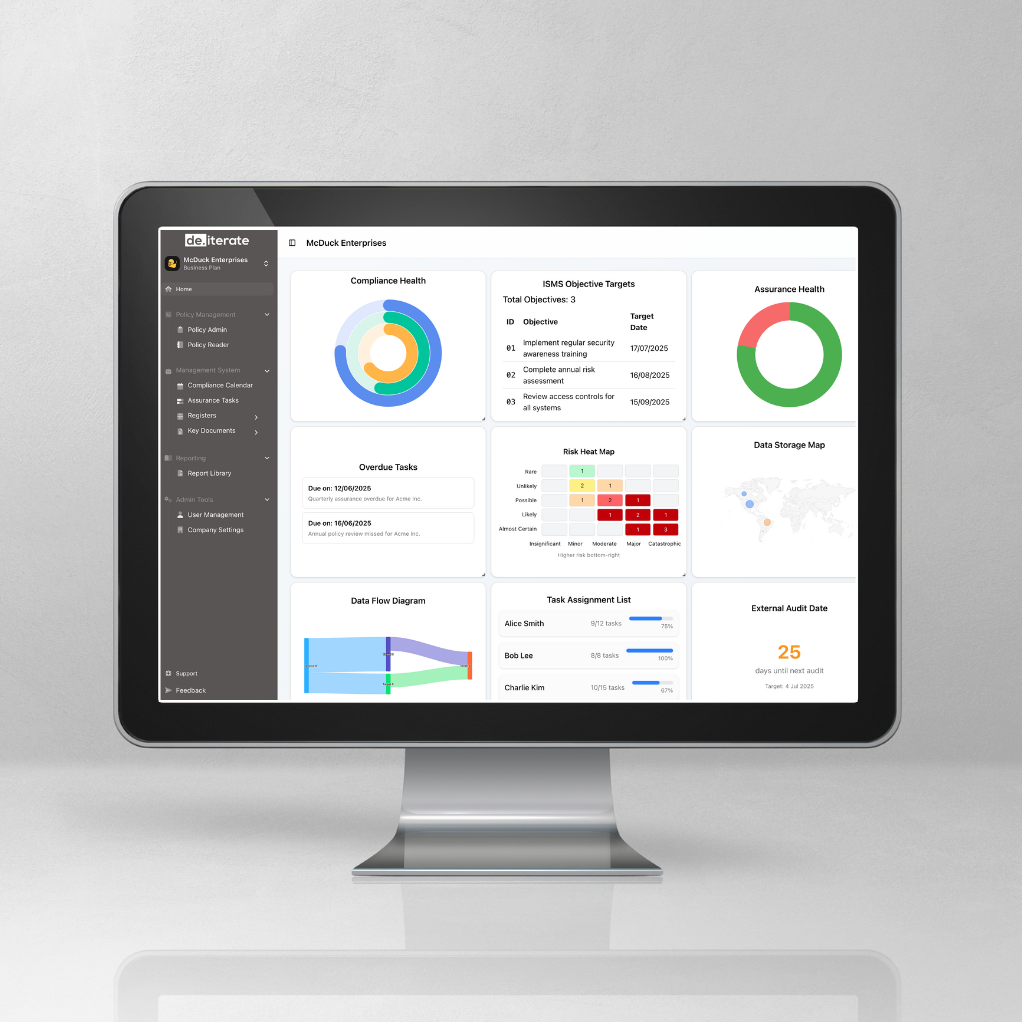
Did you know? All this can be managed by the de.iterate platform—from just $99 per month. Buy now.
Disclaimer: The articles on our website are intended to stimulate interest in the subject matters. All comments and articles are for information purposes only. Professional advice should be sought on specific matters, and with lawyers under Costs Agreement and to which Legal Professional Privilege (LPP) applies.
Tags: